Home

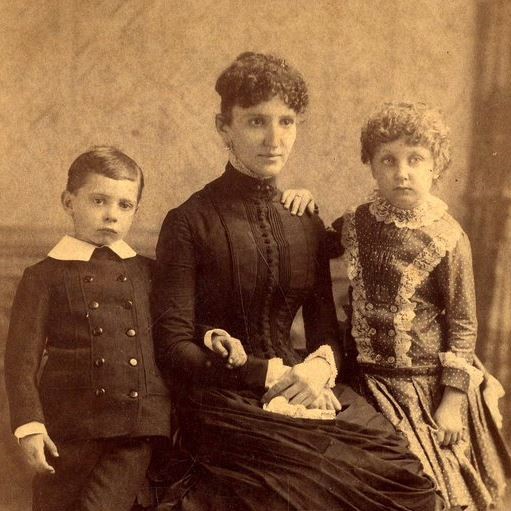
Young boy and girl standing next to their mother who is seated.

Become A Member

All members receive free or reduced admission to events, subscriptions to Filson publications, and research access, all while supporting local history preservation.

Join Today

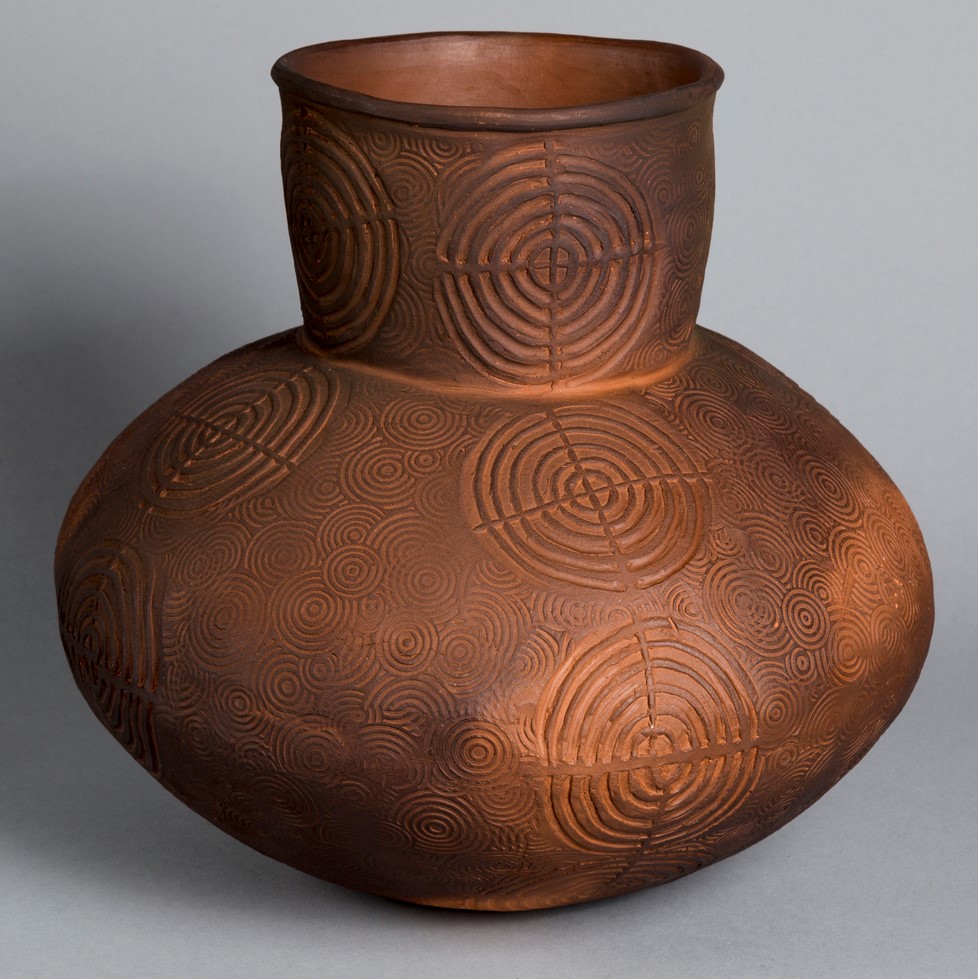
A brown clay pot with circular patterns covering its surface, giving a textured appearance.

Make a Gift

Your financial contribution provides powerful support for everything the Filson does, including historical preservation, educational programs, publications, and exhibits.

Donate

Become A Member

All members receive free or reduced admission to events, subscriptions to Filson publications, and research access, all while supporting local history preservation.

Join Today

Make a Gift

Your financial contribution provides powerful support for everything the Filson does, including historical preservation, educational programs, publications, and exhibits.

Donate

Featured Event

American Bloodlines: Reckoning with Lynch Culture

Dine & Dialouge Series

Book Cover for American Bloodlines: Reckoning with Lynch Culture by Sonya Lea.

June 9th 6 – 7 PM @ The Filson Historical Society

Summer 1936: Rainey Bethea, a young Black man, is tried for the rape and murder of an elderly white woman. The all-white, all-male jury takes just four and a half minutes to find him guilty. Bethea is hanged near the banks of the Ohio River in Owensboro, Kentucky, with more than twenty thousand white people in attendance. The crowd turns the violent spectacle of Bethea’s hanging—the last documented public execution in the United States—into a brutal carnival.

Bethea’s story came to author Sonya Lea through her family, and it is through her family that she reckons with its truths. American Bloodlines combines memoir with reportage and cultural criticism to interrogate and complicate the traditional narrative about how lynch culture is created in families, communities, and institutions. The essays in this collection grapple with our complicity in these atrocities—including the agreement in our silences—and demonstrate how we, as descendants, might take responsibility and bring new scrutiny to ancestral and communal crimes.

Sonya Lea is the author of the memoir Wondering Who You Are, which garnered praise from Oprah Magazine, People, and the BBC. She teaches at workshops and creates writing retreats in the US and Canada. Her essays have appeared in Salon, Southern Review, Guernica, Los Angeles Review of Books, and Ms. magazine, among others.

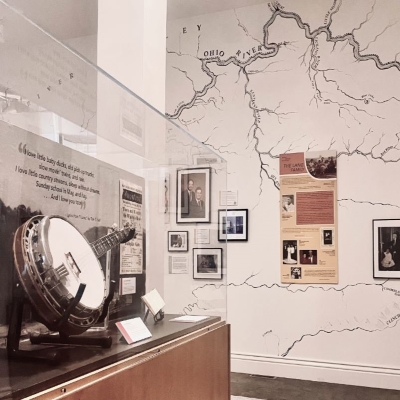
Museum exhibit featuring a banjo in a glass case.

Current Exhibits

Bustles To Blue Jeans: Highlights from the Filson’s Fashion Archive (Bingham Gallery) The Filson’s clothing collection contains over 5,000 objects from as early as the 1810s worn for every occasion. This April, we’re opening the closets wide with this new exhibit. We’ll be showing off some of our most unusual, storied, and beautiful garments.


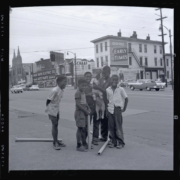
Five smiling children stand on a city street holding a dog. Background features vintage cars and storefronts, creating a nostalgic urban scene.This… Is Black Louisville (Carriage House) For over 200 years, African American people have shaped the city’s social, political, and cultural fabric. Beginning with free Blacks migrating from rural Kentucky in search of work, safety and community, their population surged between 1870 and 1900. Today, they make up about 24% of the city’s population. This…Is Black Louisville celebrates the resilience, creativity, and enduring impact of the Black experience in forming the River City’s identity.

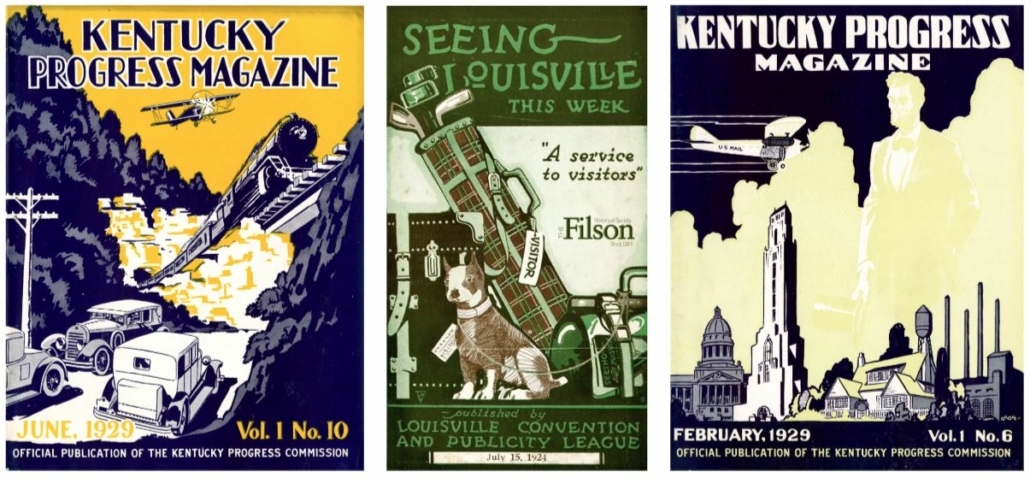
Three vintage magazine covers that the Filson holds in its collections.

Inspired by history?  Wear It.

Check out our online store to get T-shirts, posters, and more.

Your purchase supports the Filson’s mission of collecting, preserving, and sharing the history and culture of the Ohio Valley Region.

Ferguson Mansion Tour

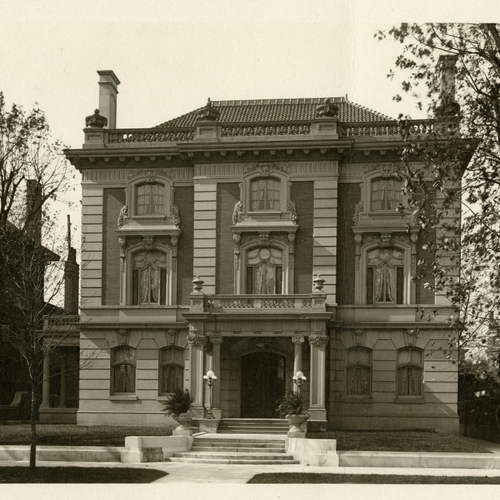
The Mansion finished for the Edwin Hite Ferguson family in 1905 is now the home of the Filson Historical Society.  Edwin Hite Ferguson commissioned the Louisville architectural firm Cobb and Dodd—the same firm responsible for designing the Seelbach Hotel and the Kentucky capitol building—to design his home in 1901. Learn more about the Mansion’s history and architecture from our online exhibit or sign up for a tour today.

Front Entrance, Filson 1912
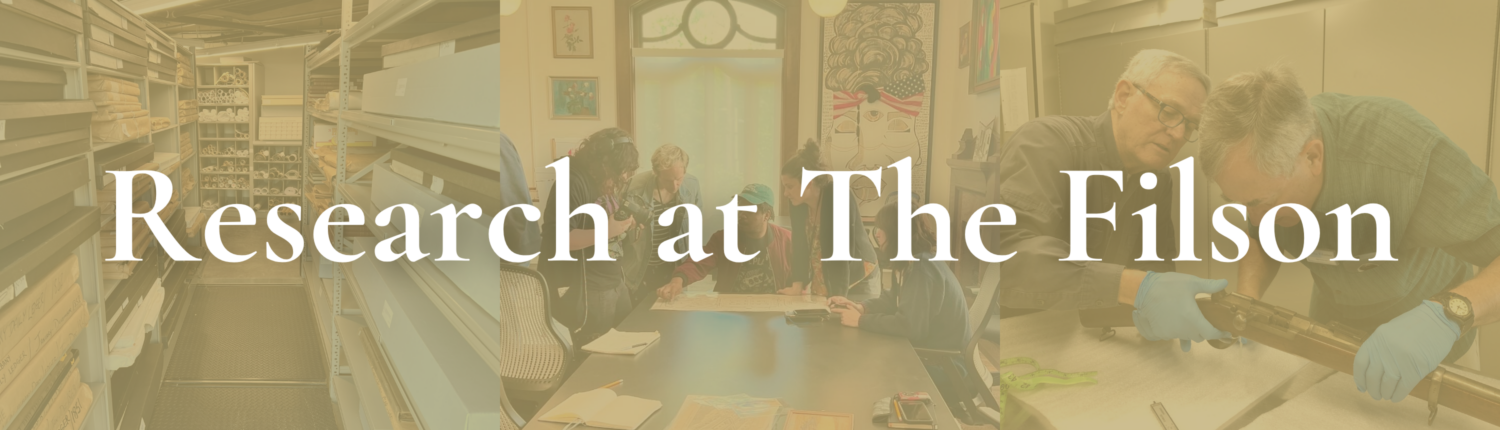
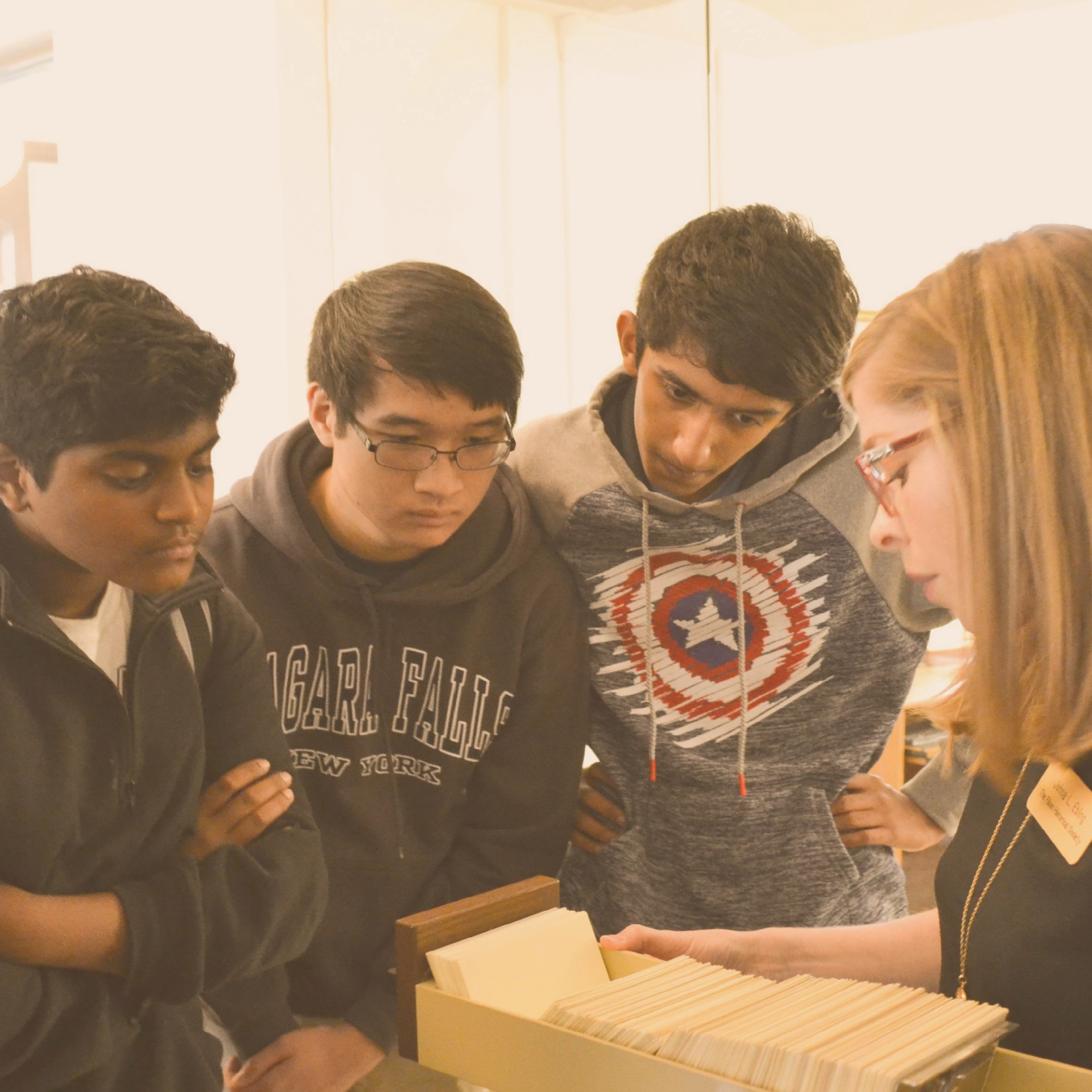
3 young researchers listening to a Filson staff member.

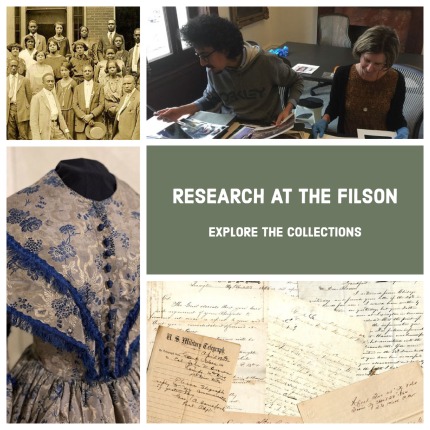
Research at the Filson

The Filson has been collecting for almost 140 years, preserving the history of Kentucky and the Ohio Valley in order to share it with current and future generations. We welcome in-person and remote researchers to explore this website to discover our access points and to find answers to their questions!  Set up a research appointment at the Filson, email our reference desk, or explore our collections online.